
How Much Does a Monument Sign Cost?
If you’ve started looking into monument sign costs, you’ve probably seen prices swing from a few thousand dollars all the way up to $50,000 or more. That kind of gap can feel confusing at first, but there’s a good reason behind it.
Here’s the thing: a monument sign is much closer to a small construction project than a simple printed sign. Before that finished sign ever greets people at your entrance, a lot has to happen behind the scenes.
Depending on your property, the work can include excavation, concrete footings, structural framing, masonry, electrical service, engineered drawings, permits, landscaping coordination, and even heavy equipment. Each of those pieces adds to the final cost, and that’s completely normal.
As a general planning range, most monument signs land somewhere around $5,000 to $50,000+. If you’re dreaming of something bigger, like elaborate masonry or a sign with an electronic message center, you could be looking at $65,000 or more.
So the real question isn’t just:
“How much does a monument sign cost?”
It’s really:
“What will my property need to design, build, permit, power, and install the right monument sign?”
That’s exactly what this guide from Signs A La Carte is here to help with. We’ll walk you through the costs behind the finished product, plus a few expenses that catch business owners off guard when they first start budgeting, so you can plan with confidence and zero surprises.
What Is a Monument Sign?
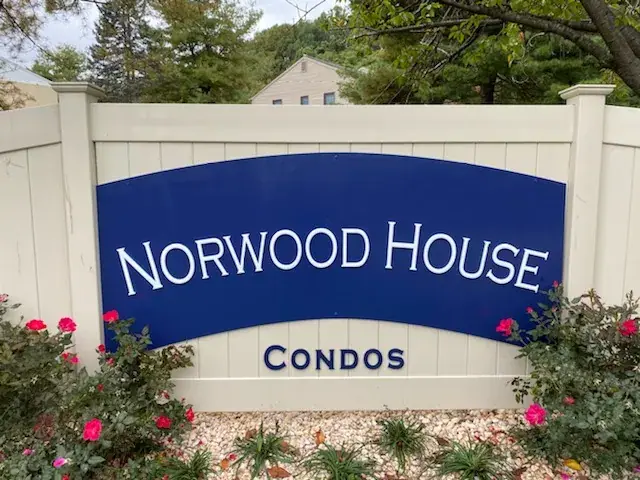
Think about that sign welcoming you as you turn into a business or neighborhood. It sits right down at ground level, close to the entrance or the road, greeting everyone who arrives. That’s a monument sign. It’s freestanding, solid, and built to feel like it truly belongs right where it stands.
So how is it different from a pylon sign? Well, a pylon sign rises high overhead on tall poles, calling for attention from a distance. A monument sign does the opposite. It stays low and settles into the property, almost like a natural extension of the building and everything around it.
Once you know what to look for, you’ll start noticing monument signs just about everywhere:
- Corporate campuses
- Medical offices
- Shopping centers
- Office parks
- Apartment and condominium communities
- Schools and universities
- Churches
- Hotels
- Industrial properties
- Municipal facilities
- Residential developments
- Standalone retail businesses
What makes a monument sign so appealing is just how adaptable it can be. On the simpler side, it might be a clean aluminum structure with dimensional lettering, straightforward and tidy. On the grander end, it can become a real architectural showpiece, dressed up with stone cladding, illuminated lettering, tenant panels, thoughtful landscaping, and even a digital message center.
That range is exactly why the cost of a monument sign varies so widely.
Average Monument Sign Cost
These ranges can help establish an initial planning budget rather than serve as fixed quotes.
| Monument Sign Type | Planning Range |
|---|---|
| Basic non-illuminated monument | $5,000–$10,000 |
| Foam/HDU monument | $5,000–$15,000+ |
| Illuminated aluminum monument | $10,000–$20,000 |
| Architectural monument | $15,000–$30,000+ |
| Masonry/stone monument | $20,000–$50,000+ |
| Multi-tenant monument | $20,000–$50,000+ |
| Monument with digital display | $25,000–$65,000+ |
Published 2026 pricing guides illustrate just how broad the market is. One places monument projects from approximately $5,000 to $65,000+, while another places typical projects at $5,000 to $50,000+.
The reason for the variation becomes clearer when you separate the sign cost from the project cost.
The Better Way to Budget: Sign Cost vs. Project Cost
Here’s one of the most important things to wrap your head around when you’re comparing monument sign quotes. It can honestly save you a lot of surprises down the road.
Let’s say the fabricated sign itself comes in at $12,000. Sounds simple enough, right? But that number rarely tells the whole story.
Your finished project might also call for a few other things:
Sign fabrication
- Foundation
- Excavation
- Electrical service
- Structural engineering
- Permits
- Installation equipment
- Traffic or site coordination
- Removal of an existing sign
- Restoration of the surrounding area
See what’s happening here? The real cost is the whole installed project, not just the sign that gets built in the shop.
To give you a sense of it, published industry estimates put foundations alone at roughly $800–$3,000 on some projects. And installation can tack on another $1,500–$5,000, depending on how easy the site is to reach and how heavy the sign turns out to be.
So when you’re weighing one estimate against another, do yourself a favor and make sure you’re comparing the same scope. That’s the little step that keeps everything fair and easy to understand.
Types of Monument Signs and Their Costs
Aluminum Monument Signs
Fabricated aluminum monuments are among the most economical options.
They’re lightweight, corrosion-resistant, customizable, and can replicate architectural shapes without requiring full masonry construction. They can incorporate:
- Dimensional letters
- Routed lettering
- Acrylic
- Internal LED illumination
- Push-through graphics
- Decorative trim
- Faux architectural finishes
Aluminum can be particularly attractive when the client wants a substantial architectural appearance without the weight and construction requirements of brick or stone.
Foam-Based / HDU Monument Signs
HDU monument signs are made from rigid, high-density urethane foam that can be CNC-carved, routed, layered, and painted to create dimensional architectural effects. HDU can mimic carved wood, stone, stucco, or sculpted details without the weight of traditional masonry.
Typical planning range: approximately $5,000–$15,000+, depending on size, carving complexity, finishes, structure, installation, and illumination.
HDU is lightweight and highly customizable, and unlike wood, it does not rot. It is also moisture-resistant and can perform well in freeze-thaw climates.
However, HDU is not automatically the cheapest option. Detailed carving, layered construction, specialty coatings, and multi-step painting can make it more expensive than simple aluminum construction.
Masonry Monument Signs
Some signs are built to last for generations, and masonry monuments are a perfect example. They create a permanent, architectural look using solid, timeless materials like brick, natural stone, manufactured stone, concrete, and stucco.
What’s really nice about these signs is how well they tend to blend in with the building they belong to. Take a medical center built from stone and brick, for instance. It can carry those very same materials right into its entrance monument, so the whole property feels like it was designed as one thoughtful piece.
Now, here’s the honest part about cost. Masonry usually pushes the price higher, and there’s a good reason for that. You’re no longer paying for just the sign itself. You’re also covering construction materials, the skilled trades who put it all together, extra structural requirements, and sometimes a heavier, more substantial foundation to support all that weight.
So it’s worth knowing upfront: custom brick and masonry projects can run beyond $65,000, depending on how complex the design gets. It’s a bigger investment, but for many properties, that lasting, built-in look is exactly what makes it worth it.
Illuminated Monument Signs
Illumination increases nighttime visibility and can dramatically change a property’s presence after dark.
Common illumination options include:
- Internally illuminated cabinetsLEDs illuminate translucent sign faces.
- Push-through acrylic letteringlight passes through dimensional acrylic letters or logos.
- Halo illuminationLEDs create a glow behind dimensional lettering.
- External illuminationlandscape or architectural fixtures illuminate the sign from outside.
Lighting adds fabrication costs, but that’s only part of the equation. You may also need underground electrical service, conduit, power supplies, disconnects, timers or photocells, electrical permits, and licensed electrical work.
If power doesn’t already exist near the proposed sign location, trenching and electrical infrastructure can become a meaningful part of the budget.
Multi-Tenant Monument Signs
If you’ve ever visited a shopping center, medical campus, or office complex, you’ve probably seen a multi-tenant monument without even thinking about it. These signs pull double duty. They identify the property as a whole while also giving each business its own dedicated panel, so everyone gets their moment to shine.
As you’d expect, the price can climb depending on a handful of things:
- Number of tenants
- Panel size
- Illumination
- Replaceable panel construction
- Overall structure size
- Branding complexity
Here’s a tip that can genuinely save you money down the line, and it’s worth pausing on: think about future tenant changes before the sign is ever built. Businesses come and go, and when they do, you’ll want to swap out a single panel without tearing into major parts of the monument.
That’s really the whole secret. A little extra thought today, designing the sign so panels lift out and update easily, quietly pays you back with every tenant change that follows. It’s one of those small, smart choices you’ll be glad you made every single time.
Monument Signs With Electronic Message Centers
Ever driven past a sign that flashes today’s specials, this Sunday’s service time, or a friendly “Happy Friday!” and updates all on its own? That’s an electronic message center, or EMC, at work. Instead of swapping out physical letters by hand, you can change the message electronically whenever you like.
You’ll see these signs everywhere, but they’re especially loved by:
- Schools
- Churches
- Municipalities
- Community organizations
- Auto dealerships
- Shopping centers
Now, here’s where we need to have an honest chat about budget. This is the point where the numbers can really climb. LED and digital monument projects cost anywhere from $15,000 to $100,000+, and that range comes down to a few things: how big the display is, the pixel pitch (basically the resolution), and the electrical infrastructure the setup needs to run.
So before you fall in love with the idea, ask yourself one simple, practical question: will someone actually keep it updated? Be honest here, because it matters more than you’d think. An EMC only earns its keep when the message changes often and someone is genuinely there to manage it.
If your message rarely changes, don’t feel like you’re missing out. A well-designed static illuminated monument can look fantastic, do the job beautifully, and give you far better value for your money. Sometimes the smartest choice isn’t the flashiest one, and there’s real freedom in knowing that.
What Determines Monument Sign Cost?
If you’ve ever wondered why one monument sign quote looks so different from another, this is the part that clears it up. A handful of factors shape the final price, and once you understand them, comparing options gets a whole lot easier.
Size
It probably won’t surprise you that bigger signs cost more. But it’s worth knowing exactly where that money goes. A larger sign asks for more of just about everything:
- Structural framing
- Cladding
- Concrete
- Steel or aluminum
- Lighting
- Installation equipment
- Labor
There’s also one factor people rarely think about: wind load. As the surface area grows, the sign has to stand up to more force from the wind. That means the structure behind it often needs to be beefed up too. So size isn’t just about how much material you see out front, it’s about what’s holding everything steady.
Materials
Here’s where prices can really swing. The material you choose has a big say in the final number. A painted aluminum monument will generally cost less than one dressed up with custom stonework, architectural masonry, or premium metal finishes.
But don’t judge a material by its price tag alone. It pays to think a little further down the road and consider:
- Weather resistance
- Fade resistance
- Corrosion
- Ease of repair
- Replacement availability
- Long-term maintenance
The cheapest option today isn’t always the cheapest over fifteen years. A material that shrugs off sun, rain, and wear can quietly save you money long after the sign goes up.
Single-Sided vs. Double-Sided
This one comes down to a simple question: how do people actually reach your property? If traffic approaches from both directions, a double-sided monument usually makes good sense, so no one drives past your sign staring at a blank back.
Just keep in mind a second face means paying for more of everything on that side:
- Sign faces
- Graphics
- Lettering
- Lighting components
So before you commit to two sides, take a moment to watch how traffic really flows past your entrance. If everyone comes from one direction, you might happily skip the extra cost.
Illumination
Lighting adds LEDs, electrical components, extra fabrication, wiring, and installation work, so yes, it bumps up the price. But it can also make your sign shine, quite literally, once the sun goes down.
For a business that’s busy in the evenings, that after-dark visibility can be worth every penny. So base this choice on how your property actually gets used, not just the upfront cost. A dark sign can’t work for you at night.
Digital Displays
An electronic message center (EMC) can easily become one of the priciest single pieces of the whole project. There’s a lot going on inside one, and the cost reflects it. Here’s what shapes the price:
- Display dimensions
- Resolution
- Pixel pitch
- Viewing distance
- Brightness
- Communication system
- Software
- Warranty
- Electrical infrastructure
When you’re weighing one EMC against another, look past the screen size. The specs and warranty tell the real story. Two displays might measure the same yet perform worlds apart, so that’s where you’ll want to focus your attention.
Site Conditions
This is easily one of the most overlooked cost factors, and it catches a lot of people off guard. Two identical signs can end up with very different final prices, depending entirely on where they’re going.
Why? Because one property might offer an easy setup:
- Easy excavation
- Existing electrical power
- Direct truck access
While another throws a few curveballs:
- Rock or difficult soil
- Underground utilities
- Concrete or asphalt
- Irrigation systems
- Landscaping
- No nearby electrical service
- Limited crane access
The sign is exactly the same. The installation isn’t. That’s the whole point. And it’s precisely why a proper site survey matters so much. A quick look at your property upfront helps you sidestep surprises, plan an honest budget, and feel confident that the number you’re quoted is the number you’ll actually pay.
How Is a Monument Sign Installed?
Here’s something that surprises a lot of people: the installation of a monument sign usually begins long before the sign itself ever shows up. There’s real groundwork to do first, and getting it right is what separates a smooth project from a stressful one.
Step 1: Site Survey
Before anything else, the crew takes a good, honest look at where the sign is going to live. During this survey, they’ll check things like:
- Visibility
- Setbacks
- Property lines
- Utilities
- Electrical availability
- Landscaping
- Grade
- Vehicle sight lines
- Installation access
This early walkthrough is where so many future headaches quietly get solved. A little attention now saves a lot of frustration later.
Step 2: Utility Location
Since a monument sign means digging, you have to know exactly what’s living underground before a single shovel goes in. It’s not optional, it’s the safe and smart way to work. The crew looks for potential conflicts like:
- Electric
- Gas
- Water
- Sewer
- Telecommunications
- Irrigation
Here’s the honest truth: a gorgeous sign planned for the wrong spot may have to be moved before installation even starts. Better to find that out now than after the concrete is poured.
Step 3: Engineering and Permit Drawings
Depending on your municipality and the design of your sign, engineered drawings might be part of the picture. In Pennsylvania, for example, UCC sign-permit documentation for applicable projects can call for details like ground-sign height, setbacks, construction materials, wind and seismic loads, anchorage, and illumination.
That’s a lot to account for, which is exactly why engineering shouldn’t be treated as an afterthought. Handling it upfront keeps your project moving and your approvals on track.
Step 4: Excavation and Foundation
Now the digging begins. The crew excavates for the structural foundation, which may include concrete, reinforcing steel, structural posts, and anchor bolts
Here’s a point worth pausing on: the right footing isn’t just about how tall the sign looks. Its design can depend on:
- Sign dimensions
- Weight
- Wind exposure
- Soil conditions
- Structural design
- Local code requirements
So don’t let anyone hand you a one-size-fits-all answer. There’s no universal “monument sign footing depth” that works for every project, and that’s a good thing. Your sign gets a foundation built for your site.
Step 5: Electrical Infrastructure
If your sign is illuminated, this is the moment to think ahead. Conduit and electrical service often go in before the concrete or surrounding surfaces are finished.
Why the hurry? Because planning it early means you won’t be digging up freshly finished landscaping down the road. Nobody wants to tear up a beautiful new flower bed just to run a wire you could have placed sooner.
Step 6: Sign Installation
Once the foundation has cured properly and your fabricated sign is ready, it’s finally time for the big moment. Installers carefully position and secure the structure in place.
For larger monuments, that can call for some serious equipment, such as boom trucks, cranes, lifts, specialized rigging
After the sign is standing tall, the crew handles the electrical connections and tests the lighting to make sure everything glows just the way it should.
Step 7: Site Restoration
Here’s a step that’s easy to overlook: the job isn’t necessarily done the moment the sign is upright. The area around it often needs a little TLC to look whole again. That might include:
- Soil restoration
- Mulch
- Grass
- Landscaping
- Concrete repair
- Asphalt repair
- Irrigation repair
Do yourself a favor and ask whether site restoration is included in your proposal. It’s a small question that can save you a real surprise later, and it helps ensure your property looks polished and complete once the work is finished.
Seven Costs That Are Easy to Miss
When you’re figuring out what your monument sign will really cost, please don’t stop at fabrication. That number is just the beginning of the story, and the pieces people forget are usually the ones that catch them off guard later.
So do yourself a favor and ask about these specifically:
- Survey and design
- Structural engineering
- Permit and application fees
- Excavation and concrete
- Electrical trenching and hookup
- Removal of the old monument
- Landscaping and surface restoration
Here’s why this matters so much. When one quote comes in surprisingly low, it’s worth a second, careful look. That bargain price may not actually be a bargain. More often than not, it isn’t cheaper at all, it simply includes less. And the gaps have a way of showing up right when you least want them to.
A Better Way to Compare Monument Sign Quotes
It’s tempting to skip straight to the bottom-line number and pick the smallest one. We get it. But that shortcut can quietly cost you. Instead, try something that feels a little more like comparing apples to apples: build yourself a simple scope checklist.
Lay each quote side by side and see exactly what’s in, what’s out, and what’s left as a big question mark. Something like this does the trick:
| Item | Quote A | Quote B | Quote C |
|---|---|---|---|
| Design | ✓ | ✓ | ✓ |
| Site survey | ✓ | ? | ✓ |
| Permitting | ✓ | No | ✓ |
| Engineering | ✓ | No | Allowance |
| Foundation | ✓ | ✓ | ✓ |
| Electrical | No | No | ✓ |
| Fabrication | ✓ | ✓ | ✓ |
| Installation | ✓ | ✓ | ✓ |
| Site restoration | ✓ | No | No |
| Warranty | 5 years | 1 year | 5 years |
Look at it laid out like that, and something interesting happens. The quote that seemed like the clear winner suddenly tells a different story. The “cheapest” one may be missing the very things you’ll end up paying for anyway. A checklist like this puts everything out in the open, so you can choose with real confidence instead of crossing your fingers.
How to Reduce Monument Sign Cost Without Making It Look Cheap
Here’s some good news: trimming your budget doesn’t have to mean settling for a sign that looks like you cut corners. Smart choices, made early, can keep the price friendly and the finished look every bit as impressive. A little value engineering goes a long way.
A few ideas worth thinking through:
- Use architectural aluminum instead of full masonry. Modern fabrication can create big, bold architectural shapes with far less structural weight, and honestly, most people can’t tell the difference from the street.
- Simplify the geometry. Those dramatic curves, layered structures, and specialty fabrications look stunning, but they also add labor and hours. Cleaner lines can be just as striking for less.
- Use masonry strategically. You don’t have to build the whole thing from stone or brick. Pair a masonry base with fabricated architectural elements up top, and you get that premium, built-to-last feel without the premium-everywhere price.
- Design for future changes. Replaceable tenant panels and easy-to-reach electrical components are small decisions today that quietly save you money every time something needs updating down the road.
- Coordinate electrical work early. Running conduit while the rest of the site work is happening is so much simpler, and cheaper, than tearing up finished pavement or landscaping later.
- Choose the right illumination, not the most illumination. Lighting should solve a real visibility problem, not just add wattage for its own sake. Match it to how your property is actually used, and you’ll spend on what truly earns its place.
The heart of it is this: spending less and looking great aren’t opposites. With a little planning and a few thoughtful trade-offs, you can have a monument sign you’re proud of and a budget you’re comfortable with.
Think Beyond the Purchase Price
Here’s maybe the smartest way to size up what a monument sign really costs: don’t just look at the price today, look at what it costs to own over its whole life. That shift in thinking changes everything.
Let’s picture two signs side by side.
Option A: $15,000. Looks like the winner at first glance, right? But it comes with tricky electrical access, proprietary components you can only get from one source, and a finish that needs repainting again and again.
Option B: $18,000. It costs a bit more upfront. In return, you get serviceable components, replaceable panels, durable finishes, and power supplies a technician can actually reach.
Yes, Option B costs about 20% more on day one. And yet, it could easily turn out to be the cheaper sign to own over the years. Fewer headaches, fewer repairs, fewer “you need a whole new part” phone calls.
So before you approve any design, pause and ask yourself one honest question:
“If something fails five years from now, how will a technician access and replace it?”
It’s a simple thing to wonder about, but you’ll almost never see it in a monument sign cost guide. And that’s a shame, because that single question can quietly save you thousands of dollars down the road. A sign that’s easy to service is a sign that keeps costing you less, year after year.
Before Requesting a Monument Sign Quote
Want a quote that actually reflects reality? Then give your sign company the details they need to get it right. The more you share upfront, the more accurate your estimate will be, and the fewer surprises you’ll bump into later.
Here’s what’s genuinely helpful to send over:
- Property address
- Photos of the proposed location
- Approximate desired dimensions
- Logo files
- Building or property materials
- Illumination requirements
- Tenant requirements
- Existing sign photos
- Desired completion date
If you’re working with an existing property, those photos matter more than you might think. Pictures showing the sign location and the surrounding site give your sign company a real feel for what they’re working with, so the number they hand you is one you can trust.
And here’s the big-picture takeaway worth holding onto. A $20,000 monument sign isn’t just a sign sitting on the ground. It’s a thoughtful blend of branding, fabrication, engineering, construction, electrical work, code compliance, and installation, all coming together as one piece.
Once you see it that way, everything clicks into place. Understanding those moving parts is exactly how you get to understand, and truly control, your final monument sign cost.